
Crypto storage can feel complicated for many beginners. If you hold digital assets, finding a secure place for them is your top priority. The OKX wallet is designed to provide a smooth experience for both new investors and advanced traders alike. In this OKX wallet review, we will explore exactly what this platform offers and how it can help you manage your funds effectively.
What Is an OKX Wallet?
At its core, the OKX Wallet is a non-custodial crypto wallet developed by OKX. Unlike centralized exchange accounts, a non-custodial wallet gives users control over their private keys and recovery phrases.
The wallet supports a large number of blockchains including:
- Bitcoin
- Ethereum
- Solana
- BNB Chain
- Polygon
- Avalanche
- Arbitrum
- Optimism
This makes the OKX Wallet attractive for users who manage assets across different ecosystems. The wallet is available both as a mobile app and a browser extension.
For beginners, the biggest appeal is convenience. You can swap tokens, connect to decentralized apps, and manage NFTs without constantly moving assets between platforms.
OKX Wallet Features That Stand Out
Many crypto wallets now support basic storage and transfers. However, OKX Wallet tries to position itself as an all-in-one Web3 gateway.
Here are some notable OKX wallet features.
Non-Custodial Design
OKX Wallet operates as a self-custodial (or non-custodial) wallet. Your private keys are generated and encrypted locally on your device, meaning OKX does not have access to your funds.
Multi-Party Computation (MPC)
OKX offers a specific “Keyless Wallet” that utilizes MPC technology. Instead of a traditional seed phrase, it generates three separate “shares” of the private key (one on your device, one on OKX’s servers, and one backed up to your iCloud/Google Drive). You need two of the three to authorize a transaction, eliminating the single point of failure of a traditional seed phrase.
Risk Detection Tools
The wallet includes active anti-phishing protections, smart contract risk scoring, and real-time alerts. It scans transactions and will display a warning if you attempt to interact with a known malicious dApp or flagged smart contract.
Deep Dive into OKX Wallet Security Features
The development team has implemented several layers of protection to keep your digital assets secure. Here are the top okx wallet security features you will rely on:
Trusted Execution Environment (TEE)
OKX utilizes a TEE-based wallet architecture, specifically for its Smart Accounts and “Trader Mode” features. The TEE acts as a secure enclave on the hardware level. Key generation, storage, and transaction signing happen entirely within this isolated environment. This ensures that even advanced automated systems, like AI trading agents, can execute trades for you without ever actually seeing or extracting your private keys.
Risk Transaction Detection
The wallet features an automatic pre-transaction risk control system. Before you sign a transaction, the software runs a real-time simulation and checks the destination against a database of known threats. It will flag interactions with malicious smart contracts, honeypot tokens (tokens you can buy but cannot sell), and sanctioned addresses.
Domain Risk Scanning
OKX Wallet has a built-in anti-phishing defense system. If you attempt to connect your Web3 wallet to a decentralized application (dApp) or website that has been flagged as a phishing domain or a fake clone of a legitimate site, the wallet will actively block the connection and alert you before you can grant any permissions or sign away your funds.
OKX Wallet vs Other Popular Wallets
Choosing a crypto wallet today is less about finding a place to store coins and more about finding an ecosystem that matches how you use crypto. Some wallets are designed for DeFi traders, while others focus on simplicity, NFT management, or passive earning opportunities.
The OKX Wallet sits somewhere in the middle. It tries to combine trading, multi-chain access, and Web3 functionality into one platform. Still, it is worth comparing it with other major wallets before deciding which one fits your needs.
Feature Comparison Table
| Wallet | Best For | Key Strength | Possible Drawback |
| OKX Wallet | Multi-chain Web3 users | Integrated swaps and dApp access | Can feel overwhelming for beginners |
| IZAKA-YA | Passive income seekers | Crypto lending and yield-focused tools | Smaller ecosystem compared to larger wallets |
| MetaMask | Ethereum DeFi users | Massive dApp compatibility | Limited native Bitcoin support |
| Trust Wallet | Mobile-first users | Beginner-friendly interface | Less advanced trading functionality |
| Phantom | Solana ecosystem users | Smooth NFT and Solana experience | Less useful outside Solana |
OKX Wallet: Built for the Multi-Chain Era
The biggest advantage of the OKX Wallet is flexibility.
Crypto users today rarely stay inside one blockchain ecosystem. A user might hold Bitcoin, trade memecoins on Solana, farm yields on Arbitrum, and buy NFTs on Ethereum all within the same week.
That is where the OKX Web3 Wallet becomes useful.
Key strengths include:
- Multi-chain asset management
- Integrated token swaps
- NFT storage
- Built-in dApp browser
- Access to DeFi tools without leaving the wallet
For active crypto users, this convenience matters a lot. Instead of managing multiple browser extensions and wallets, users can interact with different ecosystems in one place.
However, beginners may initially feel overwhelmed because the wallet offers many advanced features from the start.
IZAKA-YA: A Wallet Focused on Passive Crypto Utility
While many wallets focus mainly on storage and trading, IZAKA-YA positions itself differently by emphasizing crypto lending and passive earning opportunities.
For users who already hold crypto but are unsure what to do next, lending-focused wallets can feel more practical than purely transactional wallets.
IZAKA-YA may appeal to users who want:
- Crypto lending features
- Yield-generation opportunities
- Long-term asset utility
- Passive portfolio strategies
This type of wallet can attract a different audience compared to highly trading-focused platforms. Instead of constantly chasing new tokens, some users prefer earning yield from assets they already hold.
As always, users should carefully evaluate lending risks, platform transparency, and market conditions before participating in any yield-based crypto activity.
MetaMask: Still the King of Ethereum DeFi
Even after years of competition, MetaMask wallet remains one of the most widely used crypto wallets.
The reason is simple: Ethereum DeFi still dominates a large part of Web3 activity.
MetaMask works especially well for:
- Ethereum DeFi protocols
- NFT marketplaces
- DAO participation
- Layer 2 ecosystems like Arbitrum and Optimism
Most decentralized apps are designed with MetaMask compatibility first, which gives it a huge network advantage.
However, MetaMask can feel outdated compared to newer wallets. Users often complain about:
- High Ethereum gas fees
- Manual network switching
- Clunky user experience for beginners
For Ethereum-native users, though, it remains difficult to replace.
Trust Wallet: Simplicity First
Trust Wallet became popular because it made crypto wallets feel less intimidating.
The interface is clean, mobile-friendly, and relatively easy for beginners to understand.
It works well for:
- Casual crypto holders
- Mobile users
- Basic token swaps
- Simple staking features
Many users who are new to self-custody start with Trust Wallet because the learning curve feels less steep than more advanced Web3 wallets.
The downside is that power users may eventually outgrow it. Compared to OKX Wallet, Trust Wallet offers fewer advanced DeFi tools and less integrated Web3 functionality.
Phantom: The Favorite Among Solana Users
Phantom wallet has become closely associated with the Solana ecosystem.
If you actively trade Solana memecoins, collect Solana NFTs, or interact with Solana DeFi, Phantom often provides the smoothest experience.
Popular features include:
- Fast wallet performance
- Clean NFT gallery
- Simple staking interface
- Strong Solana ecosystem integration
Phantom succeeds because it focuses deeply on one ecosystem rather than trying to support everything.
The limitation is obvious, though. Users exploring Ethereum, Bitcoin, or broader multi-chain activity may eventually need another wallet alongside Phantom.
Final Thoughts
The OKX Wallet has grown into a serious competitor in the Web3 wallet space. Its biggest advantage is convenience. Users can manage multiple chains, access DeFi tools, store NFTs, and interact with decentralized apps from one place.
For people who already own crypto but have not explored beyond holding assets on exchanges, the wallet can act as a gateway into the broader Web3 ecosystem.
At the same time, security remains essential. Understanding recovery phrases, phishing risks, and safe wallet practices matters far more than choosing the “perfect” wallet.
As the crypto industry evolves, wallets like OKX are likely to play a bigger role in how users interact with blockchain applications every day.
Expanding Your Yield Options with IZAKA-YA
Holding crypto is a great start, but putting your idle digital assets to work can be even better. If you want to focus heavily on earning interest or borrowing against your current holdings, you should check out the IZAKA-YA Crypto lending wallet. It provides specialized decentralized finance tools designed to help you maximize your crypto yields safely.
Register IZAKA-YAkeyboard_arrow_right
Easy Steps to Start IZAKA-YA Lending
- Step 1: Register for IZAKA-YA
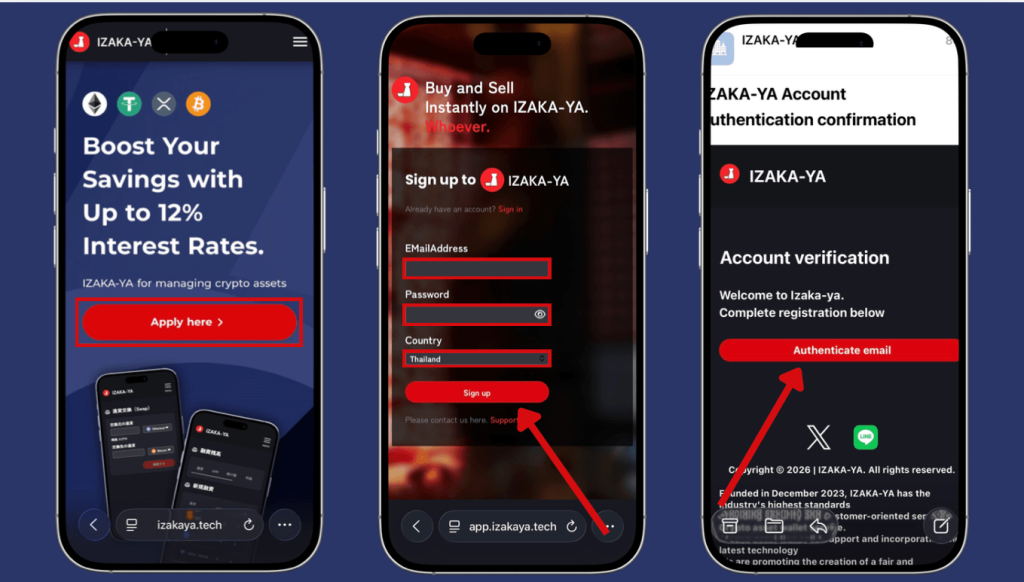
- Step 2: Deposit funds into IZAKA-YA.
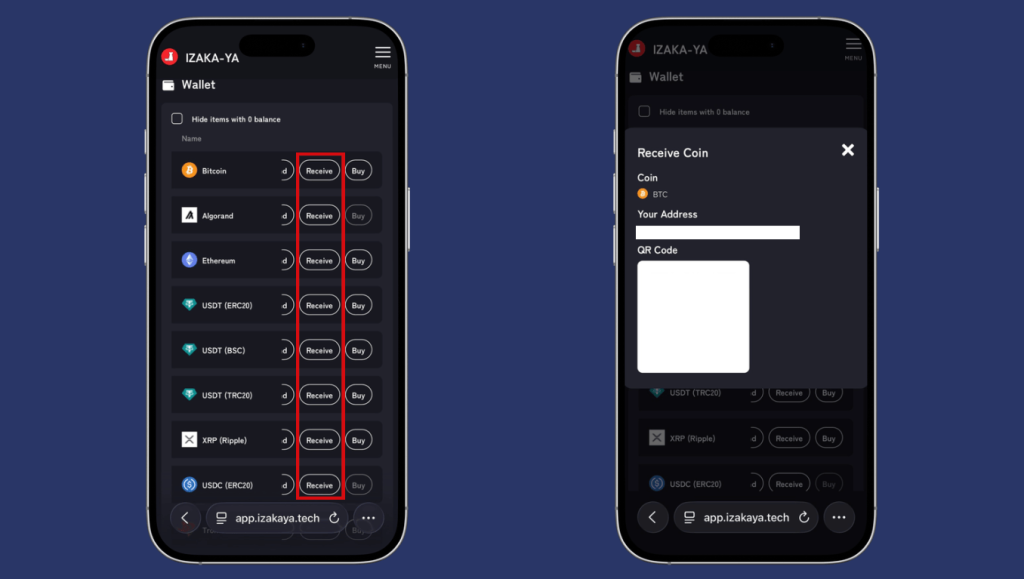
- Step 3: IZAKA-YA Lending Guide (Part 1).
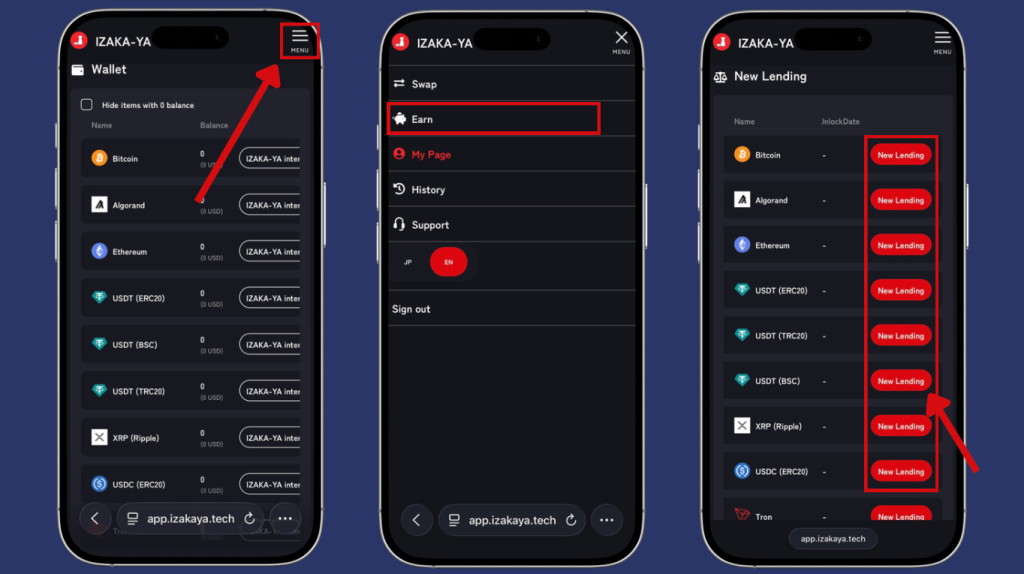
- Step 4: IZAKA-YA Lending Guide (Part 2).
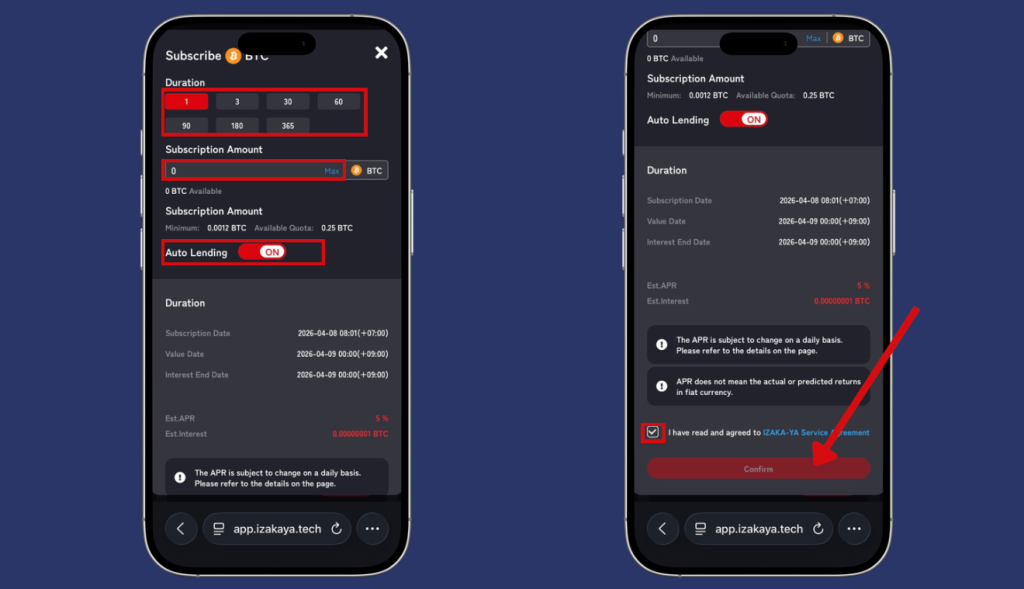
Frequently Asked Questions (FAQ)
OKX Wallet is used for storing crypto assets, connecting to decentralized apps, swapping tokens, managing NFTs, and accessing Web3 services across multiple blockchains.
The wallet includes several OKX wallet security features such as biometric login, non-custodial storage, and risk detection tools. However, users must still protect their recovery phrases and avoid scams.
Yes, creating and using the wallet is generally free. However, blockchain network fees still apply when making transactions.
The OKX Web3 Wallet focuses heavily on multi-chain support and integrated DeFi functionality, allowing users to interact with decentralized applications directly inside the wallet ecosystem.
Yes, although beginners should spend time learning wallet security basics before using DeFi applications or cross-chain tools.